The kitchen is one of the most demanding spaces in any home, especially in Colorado, where bright sun, temperature swings, and daily use all converge. Choosing the right window treatments for kitchen spaces means thinking beyond appearance and focusing on how the room truly functions. Glare on countertops, privacy from nearby homes, and moisture from cooking all influence what works best. At the same time, kitchens often connect visually to dining or living areas, making consistency important. The goal is a solution that feels natural in the space, performs well every day, and complements your home’s overall design. This guide breaks down the most practical considerations to help you make confident, informed choices.
What Are the Best Window Treatments for Kitchen Spaces?
There is no universal answer to the “best” window treatment for a kitchen, but there are clear criteria that consistently lead to good outcomes. Kitchens demand durability, easy maintenance, flexible light control, and a style that integrates seamlessly with surrounding rooms. When these priorities guide the selection, the result feels intentional rather than forced.
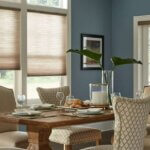
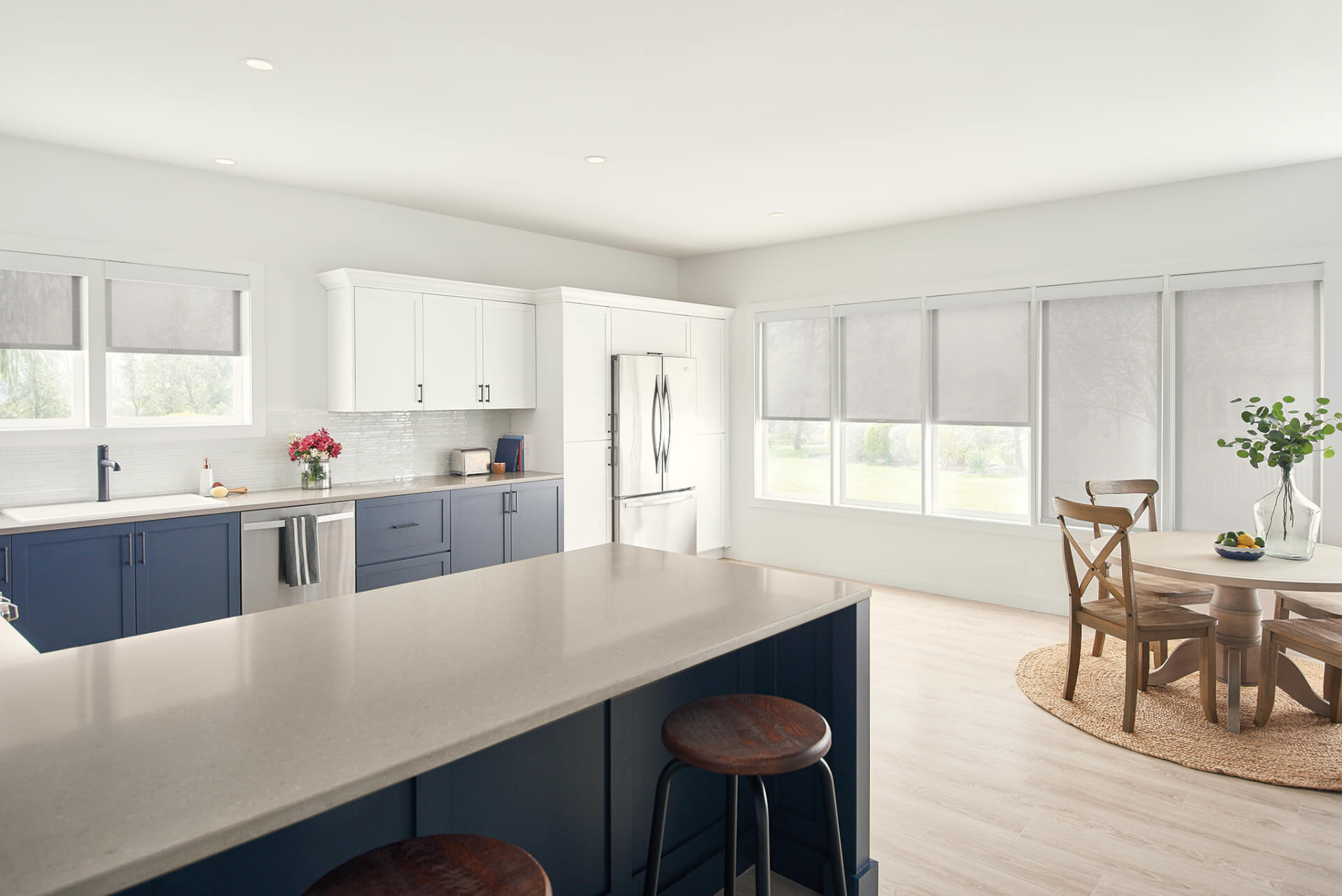
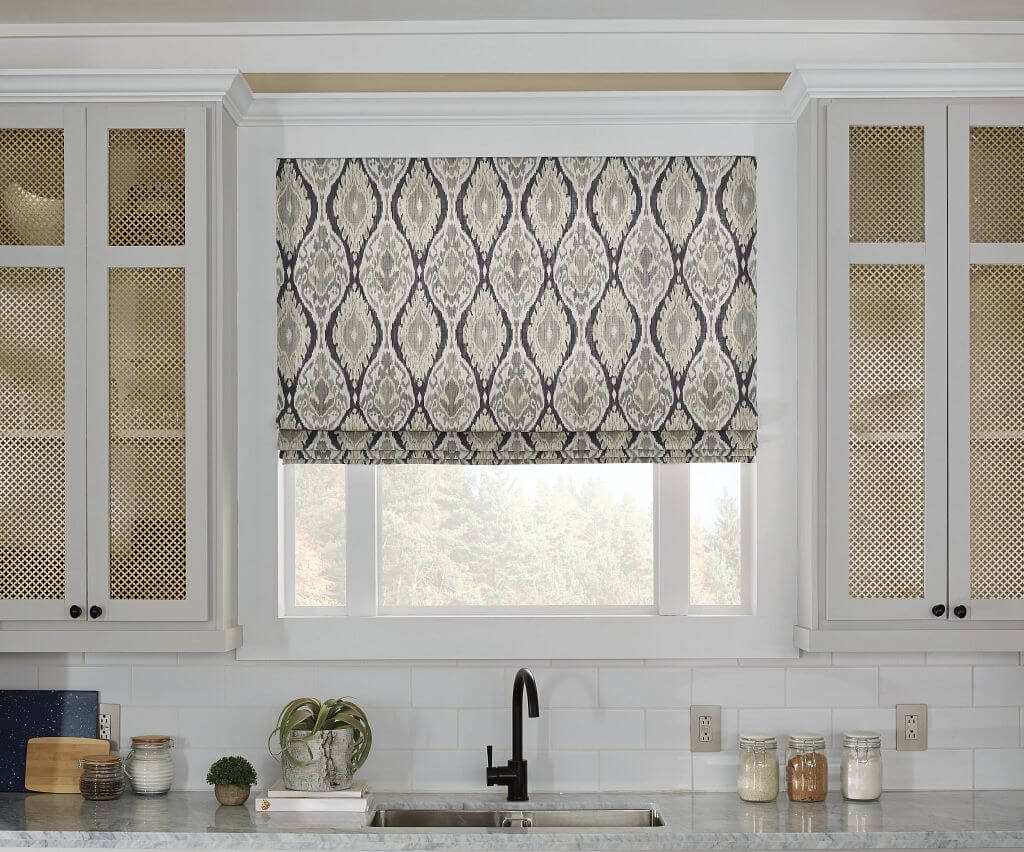
Shades are often a starting point. Roller shades are popular because of their clean profile and straightforward operation. They work especially well in kitchens with modern cabinetry or open floor plans, where visual simplicity helps the space feel uncluttered. Roman shades introduce a more tailored look and can add visual interest in kitchens that double as gathering spaces. They tend to work best in areas away from heavy splashing or direct heat.
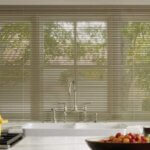
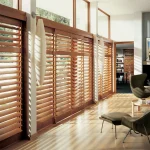
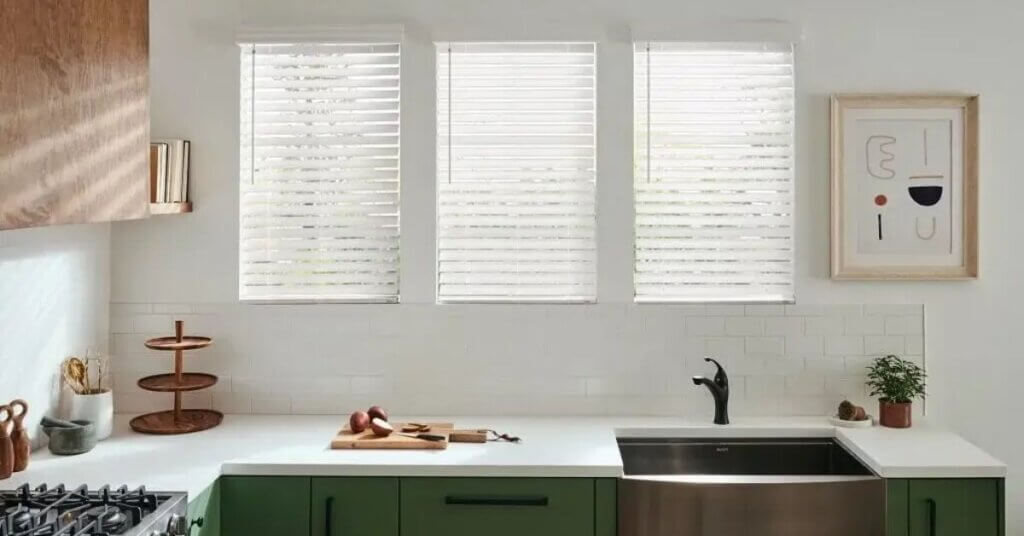
Hard window treatments also play an important role. Faux wood and composite options offer the appearance of painted wood while handling moisture and temperature changes more reliably. In kitchens with strong architectural details or traditional trim, these treatments can feel like a natural extension of the millwork.
Equally important is how the kitchen connects to adjacent rooms. In many homes throughout Sheridan, Littleton, and Highlands Ranch, the kitchen opens directly into living areas. Coordinating window treatments across these spaces—either through color, texture, or overall style—helps the entire floor feel cohesive rather than segmented.
Kitchen Window Treatments That Balance Light, Privacy, and Ventilation
Kitchens need adaptable light control. Morning sun can feel inviting, while afternoon glare can quickly become uncomfortable. The most effective window treatments for kitchen spaces manage these shifts without making the room feel closed off.
Key characteristics that support this balance include:
- Flexible light filtering that softens brightness without blocking daylight entirely
- Privacy control that adapts from daytime openness to evening coverage
- Compact operation that allows windows to open freely for ventilation
- Clear sightlines that preserve views to patios, yards, or outdoor spaces
- Low-profile designs that avoid visual clutter near busy work areas
Light-filtering and solar-style options are particularly effective for south- or west-facing kitchens, where sun intensity peaks later in the day. For homes in closely spaced neighborhoods, adjustable coverage helps maintain privacy without sacrificing natural light. Ventilation should never be overlooked; treatments that lift completely out of the way make it easier to open windows after cooking and keep the space feeling fresh.
Moisture-Resistant Window Treatments for Kitchens: What Materials Work Best?
Moisture is unavoidable in kitchens. Steam from cooking, splashes from sinks, and temperature fluctuations all affect how window treatments age over time. Choosing moisture-resistant materials is one of the most practical steps you can take when selecting window treatments for kitchen use.
Here’s a quick comparison of kitchen-appropriate materials and where they tend to perform best:
| Material | Why It Works Well in Kitchens | Ideal Locations | Maintenance Expectations |
| Faux wood / composite | Resists warping and cracking | Near sinks and appliances | Occasional wipe-down |
| Vinyl | Handles moisture and stains | High-use prep areas | Easy, frequent cleaning |
| Aluminum | Unaffected by humidity | Condensation-prone windows | Light dusting and wiping |
| Synthetic roller materials | Stable and consistent | General kitchen windows | Spot-clean as needed |
| Composite shutters | Durable and structured | Larger or specialty windows | Minimal upkeep |
These materials are designed to maintain their shape and appearance even in demanding environments. In kitchens that experience frequent temperature changes—common throughout the Denver metro area—this durability becomes especially valuable. Selecting materials suited for moisture-prone spaces helps extend the life of your window treatments and keeps them looking polished with less effort.
Roller Shades, Roman Shades, or Blinds: Which Window Treatment Works Best in Kitchens?
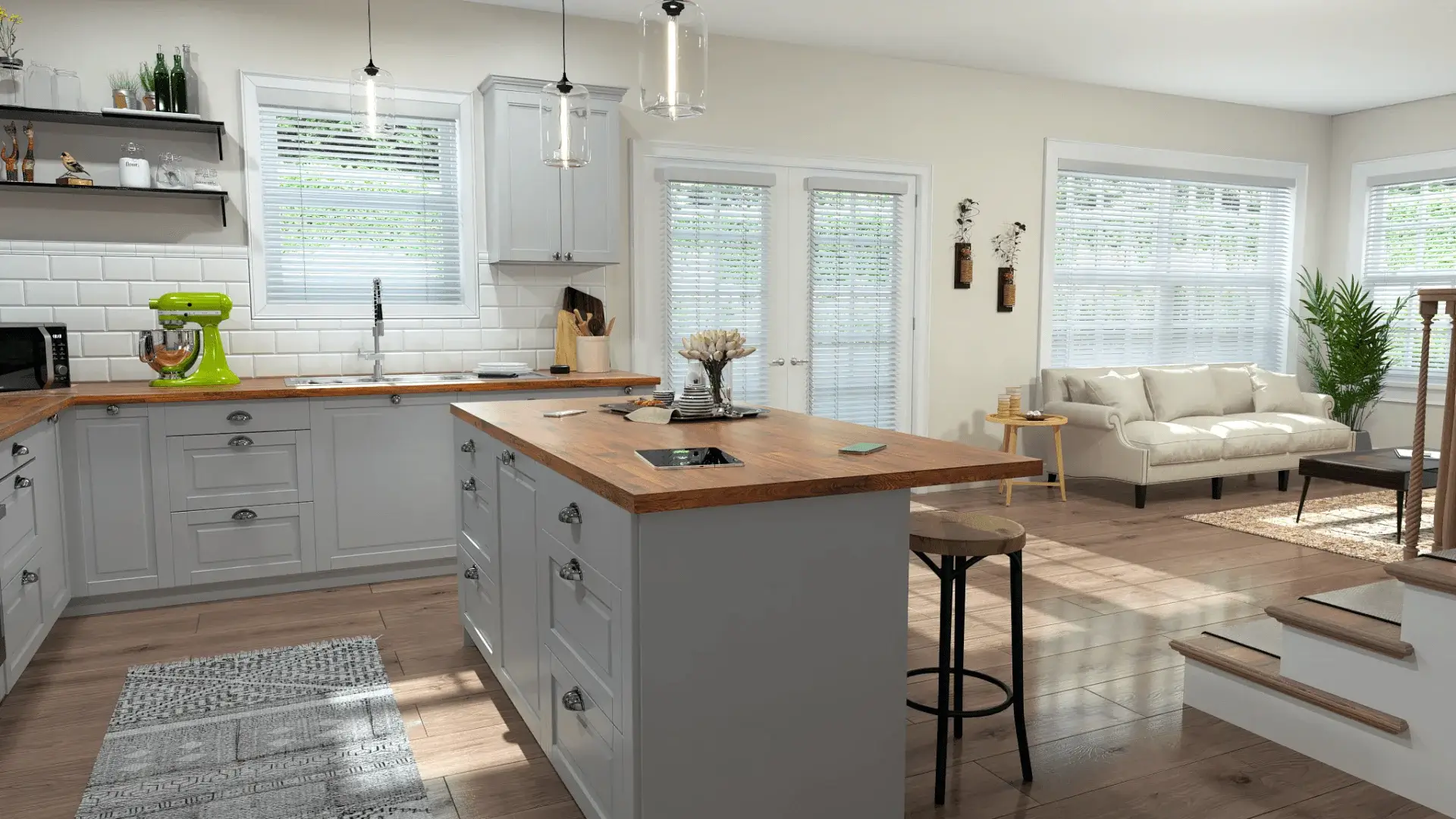
Many homeowners narrow their options to roller shades, Roman shades, or blinds when choosing window treatments for kitchen spaces. Each option offers distinct advantages depending on layout, style, and daily use.
Here’s a concise comparison to help clarify where each option excels:
- Maintain a streamlined, modern appearance
- Roll completely out of sight when not in use
- Works well for windows that open frequently
- Add softness and visual depth
- Complement transitional and traditional kitchens
- Perform best away from heavy moisture zones
- Offer precise control over light and privacy
- Adjust easily throughout the day
- Suit highly functional, everyday kitchens
The “best” choice often depends on how the kitchen is used. A cooking-focused space may benefit from simplicity and durability, while a kitchen that serves as a social hub may call for a more decorative solution. Evaluating how often windows are opened, how close they are to water or heat, and how visible they are from adjoining rooms helps narrow the right fit.
Easy-to-Clean Window Treatments for Busy Kitchens
In active kitchens, ease of cleaning can matter just as much as appearance. Grease, condensation, and everyday residue tend to accumulate faster here than in any other room. Selecting window treatments for kitchen spaces that clean easily helps maintain a neat look without adding extra work.
Features that support low-maintenance care include:
- Smooth surfaces that resist buildup
- Simple wipe-clean maintenance with mild cleaners
- Durable finishes that tolerate frequent cleaning
- Minimal folds or creases where residue can collect
- Compatibility with ventilation use to limit buildup
Treatments that clean easily encourage consistent upkeep. When cleaning is quick and straightforward, window treatments are more likely to stay in good condition over time, even in high-use households.
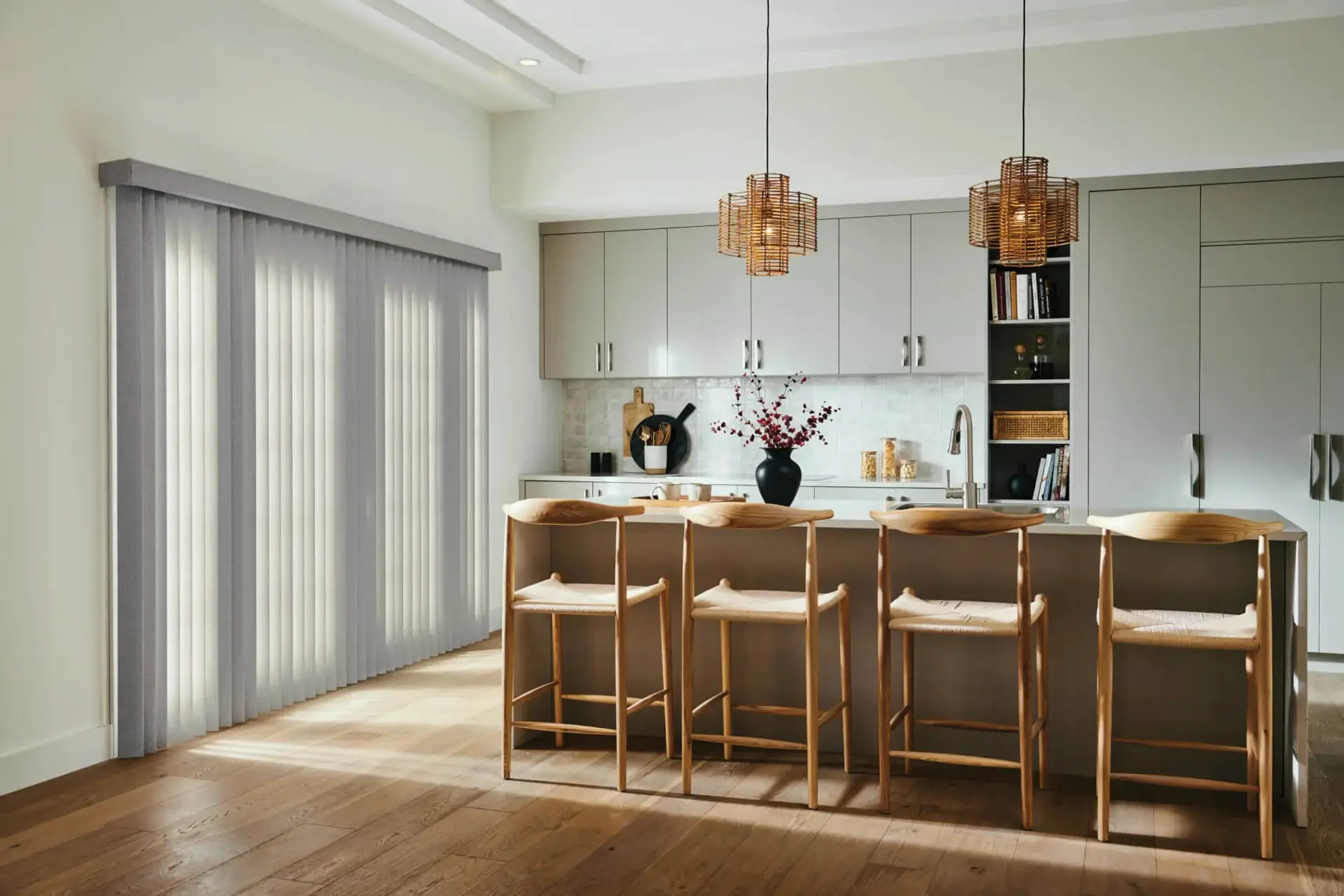
Window Treatments for Kitchen Windows Over Sinks and Counters
Windows positioned over sinks and counters present unique challenges. They bring in valuable daylight but sit directly in areas exposed to water and frequent use. Choosing the right window treatments for kitchen windows in these locations requires careful consideration.
Ease of operation is critical. Reaching across a sink to adjust a window covering can be awkward, which makes cordless or motorized options especially practical. These systems allow adjustments without leaning or stretching.
Material choice also matters. Treatments mounted close to the glass, made from moisture-tolerant materials, handle splashes better and dry quickly. Composite options and sleek shade designs are commonly used here because they balance durability with a clean look. Clearance is equally important; treatments should allow the window to open fully for ventilation without interference.
When done well, window treatments over sinks enhance both function and appearance, turning a practical window into a true focal point.
Modern vs. Traditional Window Treatments for Kitchen Design Styles
Kitchen design style strongly influences how window treatments should look and feel. The same product can appear either intentional or out of place depending on the surrounding finishes and layout.
Summary Comparison
| Design Style | Visual Priorities | Window Treatment Characteristics | Overall Effect |
| Modern / Contemporary | Clean lines, minimal detail | Roller and solar shades | Sleek and unobtrusive |
| Transitional | Balanced mix of styles | Tailored Roman shades or simple rollers | Versatile and cohesive |
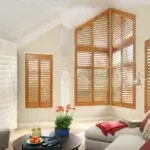
| Traditional | Warmth and structure | Roman shades or shutters | Classic and grounded |
Modern kitchens often benefit from window treatments that visually recede, allowing cabinetry and architecture to take center stage. Traditional kitchens may use window treatments as a design feature that adds softness and depth. In blended spaces, neutral tones and streamlined profiles help bridge styles and maintain continuity across the home.
Choosing the Right Kitchen Window Treatments in the Denver South Area
The right window treatments for kitchen spaces support how the room is actually used. They manage sunlight, handle moisture, clean easily, and fit naturally within the home’s design. By focusing on performance first and style second, homeowners can narrow options to those that truly make sense for everyday living.
Homes across Sheridan, Castle Rock, Centennial, and surrounding communities share similar light conditions and climate considerations. Window treatments that account for these realities tend to perform better and last longer. For guidance tailored to your kitchen layout and lifestyle, a professional consultation can help you see how different options work in your own space.
Schedule a consultation with MITS Denver South to explore kitchen window treatments designed for comfort, function, and long-term value.