Cellular shades, often called honeycomb shades, are designed to balance comfort, energy efficiency, and clean design. If you are researching “What are cellular shades?”, this guide gives you a clear, buyer-focused overview without overwhelming detail. You will learn how they work, where they perform best, and what to consider before choosing a style, fabric, or control option. Each section offers a high-level snapshot so you can explore deeper resources later, while still gaining the clarity needed to move forward with confidence.
Let’s take a closer look at how cellular shades fit into real homes and real lifestyles.
What Are Cellular Shades and How Do They Work?
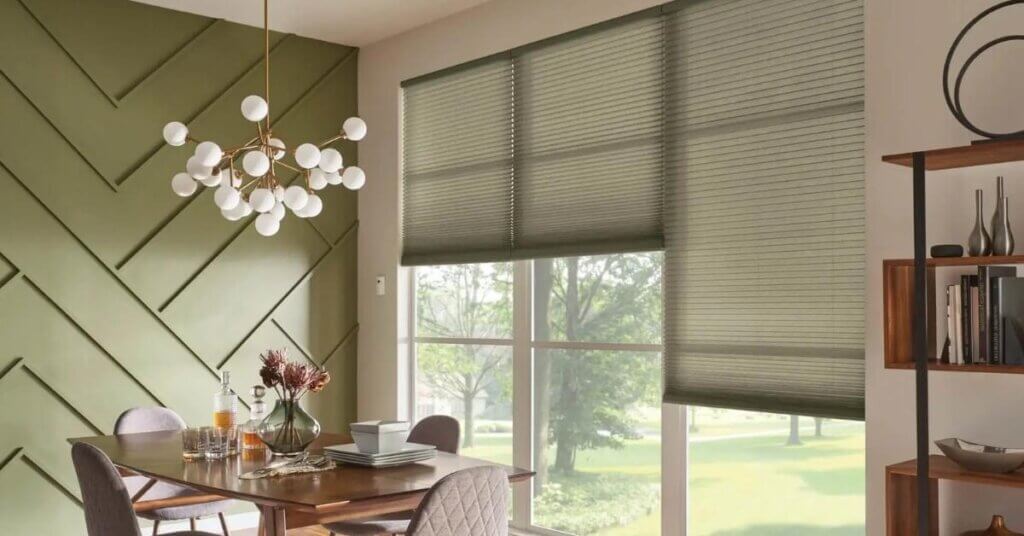
Cellular shades are window coverings made with pleated fabric that forms pockets, or cells, which trap air. These air pockets create a barrier between your room and the window, helping regulate indoor temperature and soften outside noise.
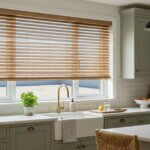
When raised or lowered, the shades compress neatly, maintaining a streamlined appearance. Their structure allows them to provide privacy and light control without adding visual weight to a room. This combination of form and function is what makes cellular shades a popular choice for both modern and traditional interiors.
Are Cellular Shades Energy Efficient?
One of the most common reasons homeowners explore cellular shades is energy performance. The internal air pockets act as insulation, reducing heat transfer through windows during both hot and cold seasons.
This can help stabilize indoor temperatures, minimize drafts, and reduce reliance on heating and cooling systems. While performance varies by fabric and cell design, cellular shades are widely regarded as one of the most energy-conscious window treatment options available for residential spaces.

Single Cell vs. Double Cell Cellular Shades: What’s the Difference?
Single-cell cellular shades use one layer of air pockets, offering solid insulation with a lighter profile. Double-cell shades feature two layers of cells stacked together, improving insulation and energy efficiency.
The choice often depends on window size, exposure, and comfort priorities. Single-cell designs work well for moderate climates or smaller windows, while double-cell options are often preferred for large windows or areas with greater temperature swings.
Room Darkening vs. Blackout Cellular Shades
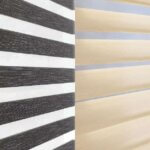
Cellular shades are available in a range of light-control options. Room darkening fabrics soften incoming light while maintaining privacy, making them suitable for living areas, kitchens, and offices.
Blackout cellular shades block most external light, which is ideal for bedrooms, nurseries, or media rooms. The difference lies in the fabric construction and liner, not the cellular structure itself. Choosing the right level depends on how much light control and privacy you need in each space.
Where Do Cellular Shades Work Best in the Home?

Cordless vs. Motorized Cellular Shades: Which Is Right for You?
Cordless cellular shades use a simple push-and-pull operation, offering a clean look and improved safety for homes with children or pets. They are reliable, intuitive, and suit most standard windows.
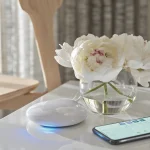
Motorized cellular shades add convenience, especially for hard-to-reach windows or larger installations. With remote or smart control options, they support ease of use and consistent positioning throughout the day. The right choice depends on accessibility, lifestyle preferences, and how you use each room.
Common Mistakes to Avoid When Buying Cellular Shades
A frequent mistake is choosing fabric or cell size without considering window exposure. Sun-facing windows often need higher insulation or light control.
Another misstep is focusing only on appearance and overlooking functionality such as operation type or mounting depth. Accurate measurements and understanding how the shade will be used daily are essential. Avoiding these oversights leads to better long-term satisfaction and performance.
Frequently Asked Questions About Cellular Shades
Do cellular shades help reduce outside noise?
Yes. The honeycomb structure can absorb and soften sound, helping reduce everyday outdoor noise, especially when combined with double cell designs.
Can cellular shades be custom fit for unique window shapes?
Many cellular shades can be custom made for arches, angles, and specialty windows, depending on the manufacturer and window dimensions.
Are cellular shades difficult to maintain?
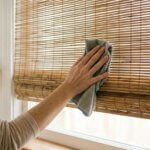
No. Most cellular shades require only light dusting or occasional vacuuming with a soft brush attachment to stay clean.
Are Cellular Shades Right for Your Home?
Understanding what cellular shades are goes beyond knowing their appearance. It is about how they support comfort, energy efficiency, and everyday living. Their adaptable design, insulation benefits, and wide range of styles make them a strong option for many homeowners.
If you are considering cellular shades and want guidance tailored to your space, the team at Made in the Shade St. Louis can help you compare options, fabrics, and control styles. Reach out to schedule a consultation and explore cellular shades that align with your comfort goals, design preferences, and budget.