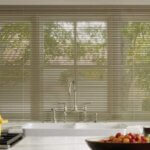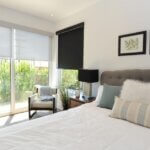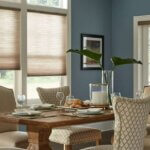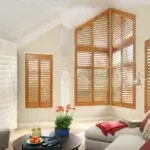
Window treatment trends in 2026 point to a clear shift toward smarter functionality, warmer materials, and more intentional design. Homeowners across Colorado’s Front Range are choosing window treatments that balance comfort, energy efficiency, and aesthetics—without overcomplicating their spaces. These trends reflect how modern homes are being designed and lived in today.
From automation and motorization to organic textures and architectural details, the 2026 outlook blends innovation with timeless appeal. This guide breaks down the seven most influential window treatment trends shaping the year ahead and explains how each one supports better light control, insulation, and everyday usability—while still feeling current and refined.
Smart Motorization Goes Mainstream
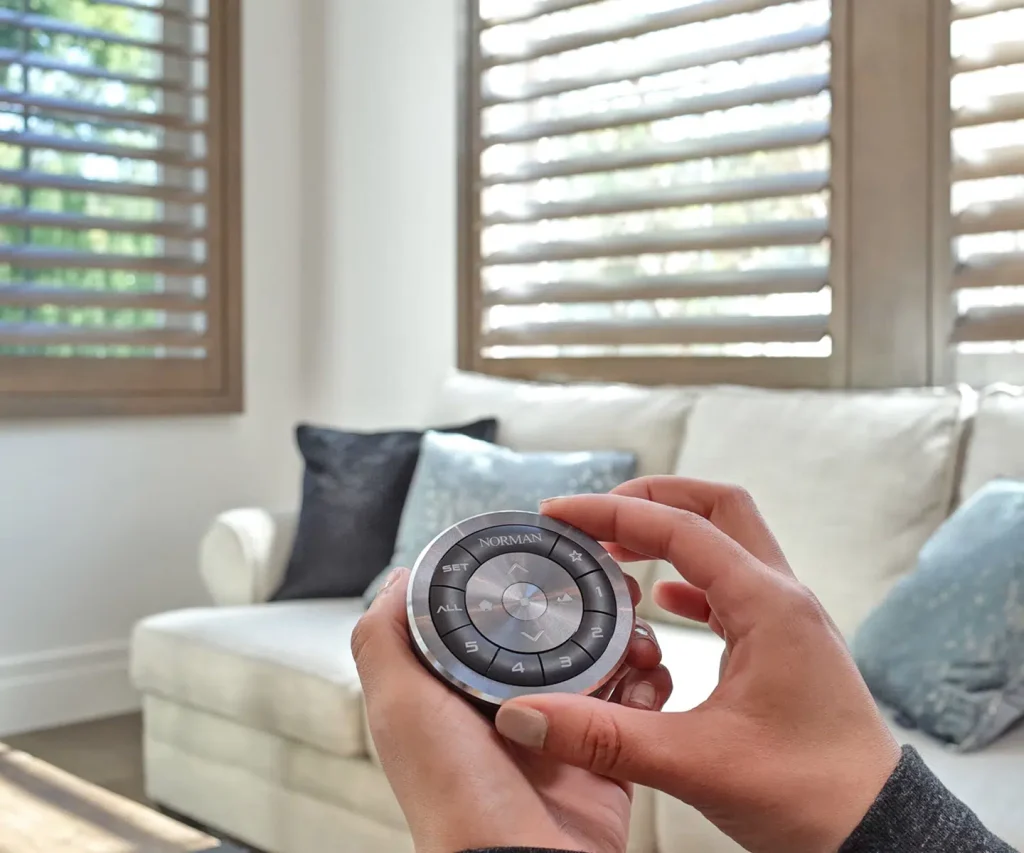
Motorization has officially moved from “nice-to-have” to standard expectation. In 2026, automation is less about gadgets and more about seamless living—quiet operation, predictable movement, and systems that simply work when needed.
Automation That Fits Daily Routines
Cordless, motorized window treatments help make homes safer and operate more smoothly. Solar-powered options are gaining traction for large or hard-to-reach windows, while integrated automation allows shades to adjust throughout the day based on sunlight and time.
Why it matters in 2026:
- Improves consistency in light control
- Supports energy efficiency through scheduling
- Works seamlessly with blackout and solar solutions
Layered Treatments With Intent
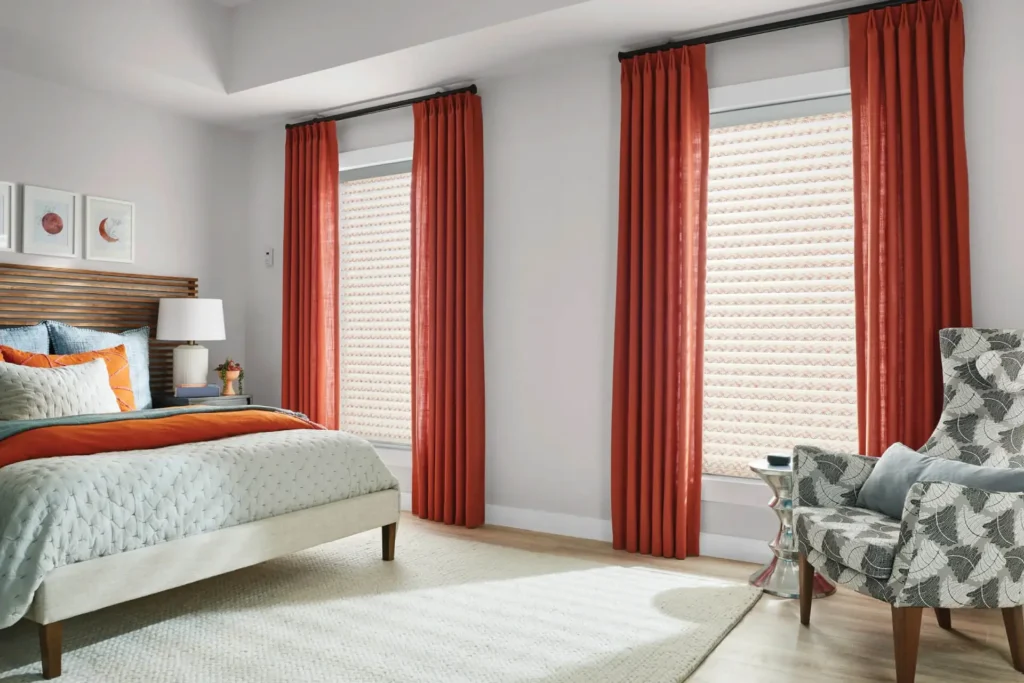
Layering remains a major design trend—but with more purpose behind it. Rather than decorative excess, layered window treatments in 2026 focus on adaptability, combining different elements to manage light, privacy, and insulation.
Functional Layering Strategies
Sheers soften daylight without closing off views, while secondary layers provide room darkening or privacy as needed. Clean-lined valances and cornices are returning as architectural accents that conceal hardware and give windows a finished appearance.
Popular layered combinations:
- Sheers paired with blackout shades
- Ripplefold drapery with streamlined cornices
- Neutral base layers accented by texture
Biophilic and Organic Materials
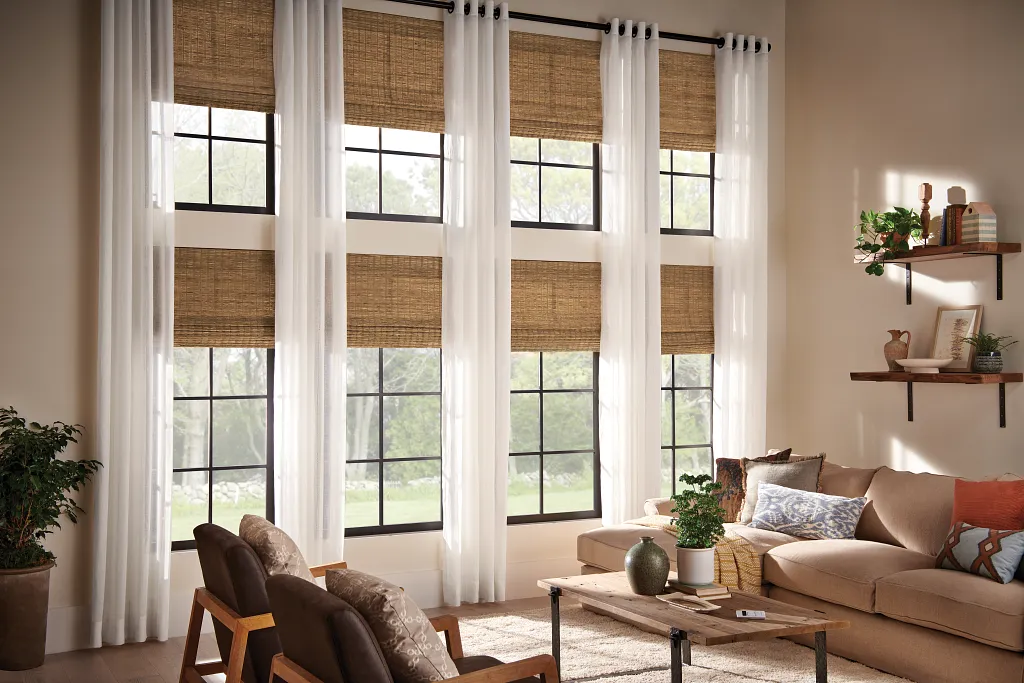
Biophilic design continues to influence interiors, and window treatments are following suit. Natural materials help soften architectural spaces and bring a grounded, organic feel indoors.
Texture Inspired by Nature
Bamboo, jute, and linen-inspired finishes, along with handcrafted details, are increasingly popular. These materials pair well with modern, transitional, and mountain-influenced interiors—adding warmth without overpowering the space.
What homeowners are choosing:
- Bamboo and jute for subtle visual texture
- Linen-inspired looks in neutral tones
- Handcrafted elements that feel intentional
Midimalism Replaces Stark Minimalism
Minimalism is evolving into midimalism—a balanced approach that blends simplicity with warmth and character. Instead of ultra-white interiors, 2026 favors softer palettes and layered neutrals.
Warmer, More Livable Palettes
Taupe, charcoal, clay, and terracotta tones are replacing cooler grays. These colors feel calmer and more enduring, especially when paired with tactile textures and architectural lines.
Design cues shaping this trend:
- Textured neutrals instead of flat finishes
- Earth-inspired hues with clean profiles
- Fewer elements, chosen with intention
Energy-Focused Performance Solutions
Performance is no longer secondary to style. Window treatment trends 2026 place a strong emphasis on insulation, solar management, and overall comfort.
Designed for Thermal Control
Cellular designs remain a popular option for improving insulation and temperature stability. Solar-oriented solutions help manage glare and heat while preserving natural light—especially valuable in rooms with strong sun exposure.
Performance benefits include:
- Improved year-round insulation
- Reduced glare without darkening rooms
- Better temperature consistency indoors
Architectural Top Treatments Return
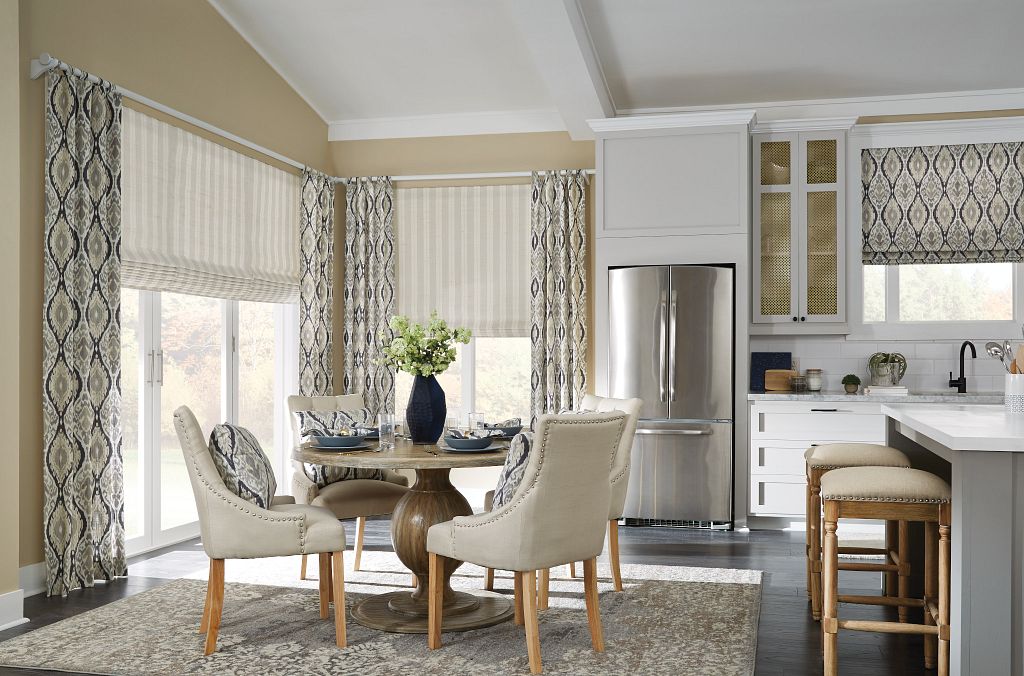
Cornices and valances are making a return—but with a modern twist. In 2026, these elements are cleaner, more tailored, and treated as architectural features rather than decorative add-ons.
Clean Lines, Custom Fit
Today’s top treatments are designed to integrate with the room’s architecture. They frame windows, conceal mechanisms, and contribute to a built-in, polished look.
Why they’re trending again:
- Adds structure and visual balance
- Enhances ceiling height perception
- Complements modern and transitional spaces
Customization Is the New Standard
Designed Around How You Live
Customization allows each space to function independently while maintaining a cohesive look throughout the home. From operation style to finish selection, personalization ensures better long-term satisfaction.
Customization trends to watch:
- Tailored solutions for large or unique windows
- Coordinated designs across multiple rooms
- Thoughtful integration of automation
Do’s and Don’ts for 2026 Window Treatments
Do’s
- Do prioritize function alongside design
- Do layer treatments with intention
- Do choose textures that add warmth
- Do factor in energy performance
Don’ts
- Don’t over-layer unnecessarily
- Don’t chase trends without context
- Don’t overlook how sunlight changes daily
FAQs About Window Treatment Trends 2026
Are motorized window treatments worth it in 2026?
Yes. Motorization has become more reliable, quieter, and easier to integrate into daily routines. It supports consistent light control and adds convenience, especially for larger or hard-to-reach windows. For many homeowners, it also improves long-term usability.
What colors define window treatment trends 2026?
How does layering improve comfort and usability?
Layered window treatments allow flexible control throughout the day. Sheers manage daylight while secondary layers enhance privacy and insulation. This approach helps spaces adapt easily to changing light and temperature conditions.
Prepare Your Windows for What’s Next
Window treatment trends emphasize thoughtful design, smarter performance, and materials that feel both current and enduring. The most successful spaces balance innovation with comfort—creating interiors that work effortlessly every day.
Contact us to explore customized window treatment solutions designed around your home, your light, and how you live.