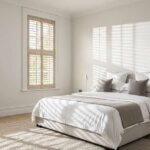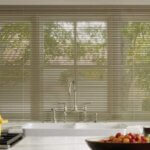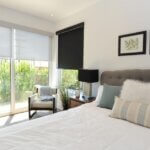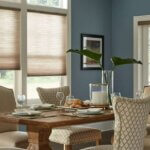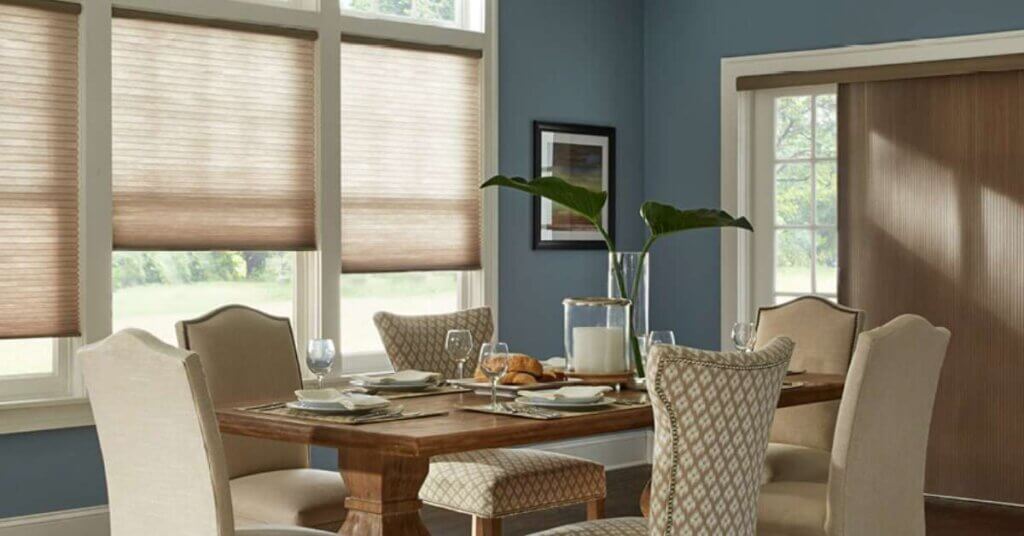
When comparing single-cell vs. double-cell cellular shades, the main difference lies in their honeycomb structure and insulation performance. Single-cell designs use one layer of air pockets, while double-cell shades use two stacked layers to improve window insulation and energy efficiency. Both options provide light control, privacy, and modern styling, but their thermal performance, pleat size, and side profile vary. This guide explains how each option works so homeowners can choose the best cellular shades for comfort, energy savings, and window performance.
Understanding Cellular Shades and Their Honeycomb Structure
Cellular shades, often called honeycomb shades, are designed with a unique honeycomb structure that forms air pockets between layers of fabric. These pockets act as a thermal barrier, helping reduce heat transfer through windows.
The structure works by trapping air inside the fabric cells, creating insulation that improves home energy savings and comfort throughout the year.
Key benefits of cellular shades include:
- Improved window insulation
- Better energy efficiency
- Light control with light filtering or blackout fabrics
- Reduced glare and noise reduction
- Sleek, modern window coverings
The number of air pockets—single or double—determines how much insulation the shade provides.
Single-Cell Cellular Shades Explained
What Are Single-Cell Shades?
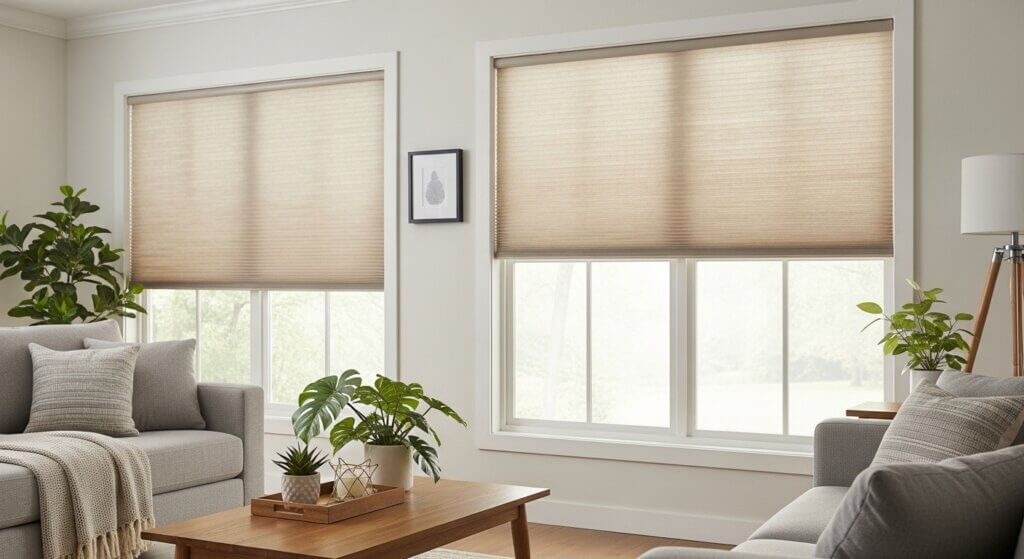
Single-cell cellular shades feature a single honeycomb layer of air pockets. This structure creates a lightweight shade with a slimmer side profile, making it a popular option for many homes.
Because there is only one layer of cells, these shades are generally more compact and easier to fit within tighter window frames.
Key Characteristics of Single-Cell Shades
- One layer of fabric layers forming air pockets
- Slimmer side profile at the window
- Typically lighter and more affordable
- Available in corded shades or cordless shades
- Offered in light filtering, room darkening, and blackout fabrics
When Single-Cell Shades Work Best
Single-cell shades are commonly used in:
- Smaller windows
- Moderate climates
- Rooms where insulation is helpful but not critical
- Areas where a minimal profile is preferred
Their simple honeycomb structure still provides good insulation while maintaining a clean, streamlined look.
Double-Cell Cellular Shades Explained
What Are Double-Cell Shades?
Double-cell cellular shades, sometimes called double honeycomb shades, contain two stacked layers of honeycomb pockets. This creates a thicker structure that improves thermal performance.
Because two layers trap more air, the shade forms a stronger thermal barrier, helping reduce temperature fluctuations near windows.
Key Characteristics of Double-Cell Shades
- Two layers of honeycomb air pockets
- Enhanced window insulation
- Higher energy efficiency
- Improved noise reduction
- Often better blackout performance
These shades are slightly thicker than single cell options but offer stronger insulation benefits.
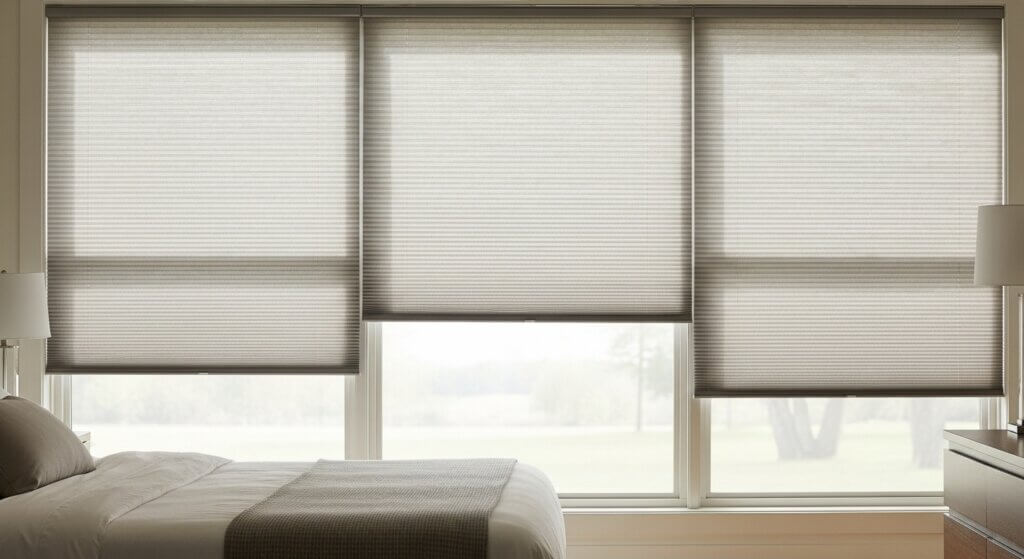
When Double-Cell Shades Work Best
Double-cell shades are ideal for:
- Large windows
- Homes in extreme climates
- Rooms with strong sun exposure
- Spaces where energy-efficient blinds are a priority
They help stabilize indoor temperatures by reducing heat transfer in both summer and winter.
Single-Cell vs. Double-Cell Cellular Shades: Side-by-Side Comparison
Feature | Single-Cell Shades | Double-Cell Shades |
Honeycomb Structure | Single honeycomb | Double honeycomb |
Air Pockets | One layer | Two layers |
Insulation Level | Moderate | High |
R-Value | Lower | Higher |
Energy Efficiency | Good | Excellent |
Side Profile | Slim | Slightly thicker |
Noise Reduction | Moderate | Better |
Cost | Generally lower | Typically higher |
Understanding R-Value and U-Factor
Two common terms used to measure insulation performance are:
- R-value – measures resistance to heat flow. Higher numbers mean better insulation.
- U-factor – measures how quickly heat transfers through a window covering. Lower numbers indicate better insulation.
Because double cell shades trap more air, they typically achieve higher R-values and lower U-factors, which can improve home energy savings.
Other Features to Consider
Beyond cell construction, several features affect how cellular shades perform.
Pleat Size
Pleat size determines the depth of the honeycomb cells. Larger pleats are often used for bigger windows, while smaller pleats provide a refined appearance for standard windows.
Light Control Options
Cellular shades come in multiple opacity levels:
- Light filtering – soft daylight with privacy
- Room darkening – reduces brightness
- Blackout – blocks most light for bedrooms or media rooms
Control Options
Homeowners can choose from several operating systems:
- Cordless shades for child and pet safety
- Corded shades for traditional operation
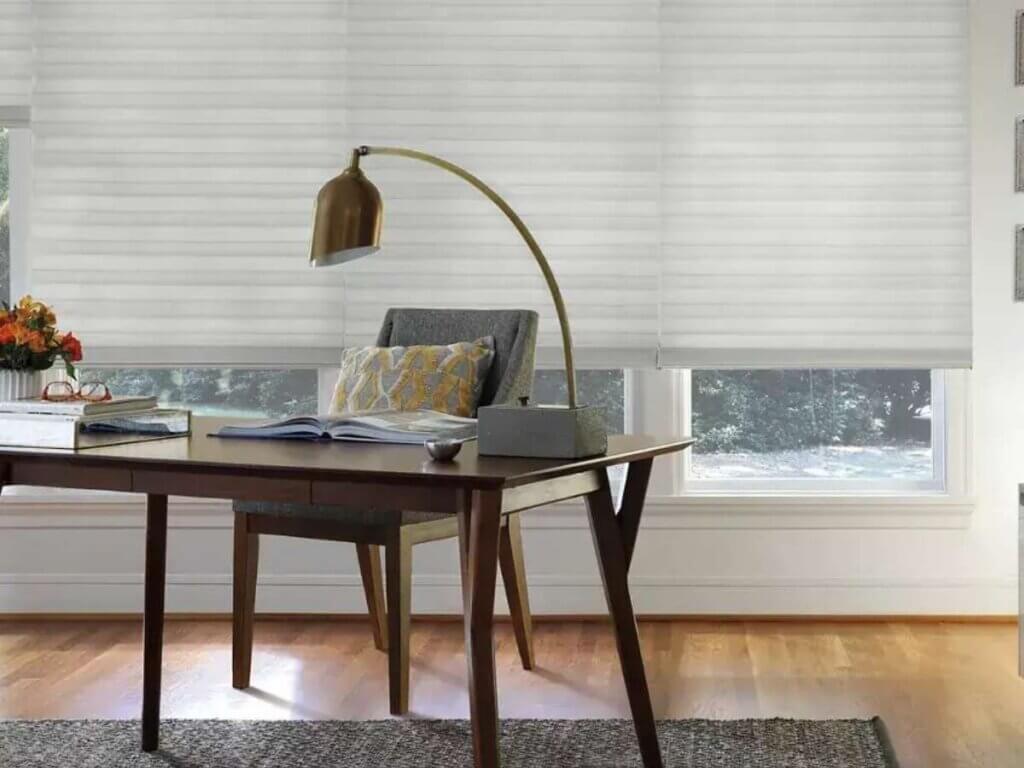
- Top down bottom up functionality for flexible privacy and light control
The top down bottom up design allows the shade to open from either direction, letting in daylight while maintaining privacy.
How to Choose the Right Cellular Shade for Your Home
When deciding between single-cell vs. double-cell cellular shades, consider these factors:
Choose single-cell shades if you want:
- A slimmer profile
- A lighter shade
- A budget-friendly option
- Moderate insulation
Choose double-cell shades if you want:
- Stronger insulation
- Maximum energy efficiency
- Better temperature control
- Reduced outside noise
Many homeowners use double-cell shades in living rooms or large windows while choosing single-cell shades for smaller areas.
Frequently Asked Questions
What is the main difference between single-cell and double-cell cellular shades?
The main difference between single-cell vs. double-cell cellular shades is the number of air pockets in the honeycomb structure. Single-cell shades have one layer of air pockets, while double-cell shades feature two layers stacked together for added insulation. This extra layer helps create a stronger thermal barrier, improving energy efficiency and reducing heat transfer through windows.
Are double-cell cellular shades more energy efficient than single-cell shades?
Yes, double-cell cellular shades generally provide better energy efficiency than single cell options. The extra layer of air pockets increases the shade’s R-value, meaning it resists heat transfer more effectively. This improved insulation can help stabilize indoor temperatures and support home energy savings, especially in homes with large windows or strong sun exposure.
Do single-cell cellular shades still provide good insulation?
Single-cell cellular shades still offer solid window insulation for many homes. Their single honeycomb structure traps air to create a thermal barrier that helps reduce heat transfer through windows. While they may not insulate as strongly as double honeycomb shades, they are often sufficient for moderate climates or rooms with smaller windows.
Which cellular shades are better for large windows?
For larger windows, double-cell cellular shades are often the better choice. The double honeycomb structure provides stronger insulation and better temperature control across wider window surfaces. Many homeowners also choose larger pleat sizes for big windows because they maintain a balanced look and support better overall performance.
Can cellular shades provide blackout or room darkening options?
Yes, cellular shades are available in light filtering, room darkening, and blackout fabrics. Blackout honeycomb shades use thicker fabric layers to block most outside light, making them a popular choice for bedrooms, nurseries, and media rooms. Some homeowners also pair blackout fabric with top down bottom up functionality to maintain privacy while controlling natural light.
Ready to Upgrade Your Space?
Both single and double-cell cellular shades offer practical benefits for homeowners seeking improved window insulation, energy efficiency, and comfort. The main difference lies in the number of air pockets within the honeycomb structure, which affects insulation performance and overall thickness.
Single-cell shades provide reliable insulation with a slimmer side profile, making them a versatile choice for many rooms. Double-cell shades add another layer of protection, helping reduce heat transfer and supporting better home energy savings, especially in larger or sun-exposed windows.
If you’re considering energy-efficient window treatments for your home, the team at MITS Denver South can help you compare cellular shade options and select the right design for your windows. Schedule a consultation today to explore custom honeycomb shades that balance comfort, privacy, and efficiency.