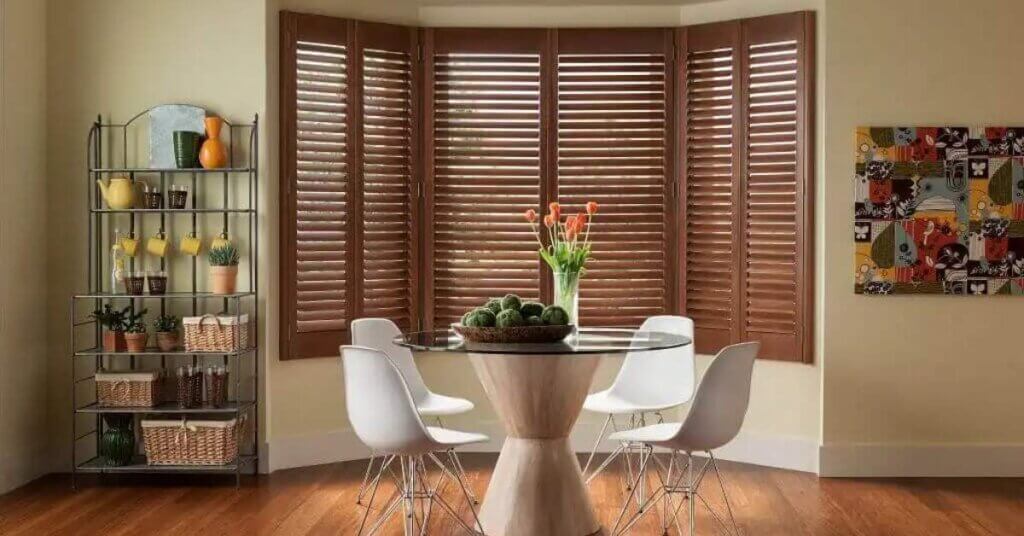
Bay windows are beautiful—but outfitting them can feel surprisingly complicated. Their angled frames, sweeping light, and standout presence call for a window covering that enhances both style and function. Many homeowners turn to shutters on bay windows because they offer structure, timeless design, and exceptional control over light and privacy. The right shutters can make a bay window feel intentional and architectural, rather than tricky or overwhelming to decorate.
Whether you prefer a clean, modern look or a more traditional finish, thoughtful planning helps you choose shutters that support both your home’s design and your everyday comfort. This guide walks you through everything you need to know to select, measure, and design shutters that fit your bay window perfectly.
Why Bay Windows Need Thoughtful Shutters
Bay windows invite natural light, views, and a sense of openness. They also introduce angled walls, deeper sills, and exposure to Colorado’s bright sunlight. Shutters offer structured light control, long-term durability, and a tailored look that feels built-in. When designed correctly, they frame the bay beautifully without compromising the room’s flow.
Choosing the Right Shutter Style
Plantation Shutters for Wide Views
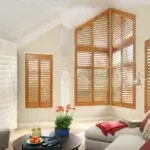
Plantation shutters remain the most popular option for bay windows. Their wider louvers allow flexible tilt control, letting you angle the light up or down throughout the day. They also help manage privacy without darkening the room—especially important for open-plan layouts.
Café Shutters for Scenic Light
Café-style shutters cover only the lower half of the bay, leaving the upper portion open. This style works well in dining rooms, breakfast nooks, and front-facing spaces where you want light to fill the room while still maintaining privacy.
Full-Height Shutters for Maximum Coverage
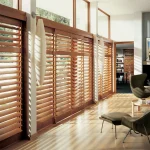
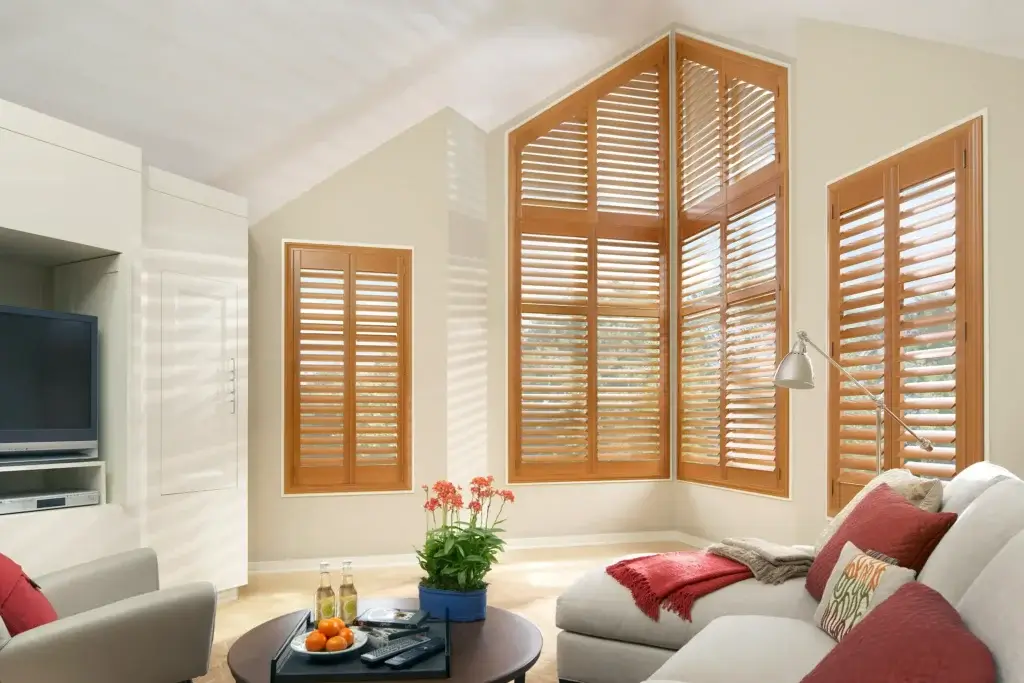
Full-height shutters bring a polished, unified look. They suit tall, dramatic bays where a continuous line of panels adds architectural structure. You can include a mid-rail with separate louver tilt controls at the top and bottom.
Measuring for Custom Bay Window Shutters
Inside vs. Outside Mount Fitting
Assessing Depth, Sill, and Frame Space
Checking the Bay’s Individual Segments
Each bay panel is measured separately. Even slight variations between window sections affect the angle of the hinges, panel size, and how the louvers move. A professional review ensures that all panels align correctly in a curve or angled configuration.
Selecting Materials for Bay Window Shutters
Materials influence durability, insulation, and maintenance—important factors across Colorado’s sunny days, cool evenings, and seasonal changes.
- Wood for Warm, Classic Design
Wood shutters offer rich texture and timeless appeal. They work especially well in Craftsman homes in Castle Rock or traditional interiors in Englewood. However, wood expands and contracts slightly, making professional fitting essential. - Composite for Strength and Stability
Composite shutters resist moisture, heat, and warping. They’re well-suited to homes in bright, high-elevation areas like Castle Pines or Cherry Creek. This material provides the look of wood with added durability. - Solid Polymer for High Performance
Solid polymer shutters insulate well and handle temperature swings, an important benefit for bay windows exposed to strong sunlight. They maintain smooth louvers and hinge stability over time.
Design Details That Shape Your Look
The beauty of shutters lies in their customization. Each detail affects both function and final appearance.
- Choosing Louver Size and Tilt Options
Larger louvers offer broader outdoor views and a cleaner aesthetic. Smaller louvers bring more traditional character. Tilt mechanisms—whether hidden or using a front tilt rod—alter the overall style. - Panel Orientation and Hinge Choice
Bay windows often use narrower panels attached to angled hinges. The number of panels per bay section depends on the frame width and your preferred folding pattern. - Frame Profiles for Precise Fitting
Z-frames help cover imperfections in older windows, while L-frames provide a sleek, simple outline. The right frame supports smooth installation and proper shutter alignment.
Installation Considerations for Bay Window Shutters
A precise installation ensures your shutters fit cleanly, open smoothly, and stay aligned over time.
- Angled Hinges for Bay Geometry
Bay windows require special angle-cut hinges for seamless panel movement. This ensures each panel opens without bumping into the next. - Securing Level Alignment
Experienced installers level each frame section independently—critical for homes where floors or sills aren’t perfectly even, such as older properties in Lakewood or Morrison. - Ensuring Smooth Louver Operation
Proper depth, correct frame selection, and stable mounting prevent louvers from hitting trim or glass, allowing full tilt range.
FAQs About Shutters on Bay Windows
Are shutters a good choice for bay windows?
Yes—shutters are one of the most practical window covering options for bay windows because they offer structured light control and a custom-fit appearance. Their fixed frames follow the bay’s angles, preventing sagging or gaps. They also provide insulation, privacy, and long-lasting value, especially in sun-filled Colorado homes.
How do I measure bay window shutters?
Which material is best for bay window shutters?
The best material depends on sunlight exposure, interior style, and your maintenance preferences. Wood provides classic beauty, composite offers durability, and polymer delivers excellent insulation. Each one works well for bay windows, but a review of your space helps determine the ideal balance of style and performance.