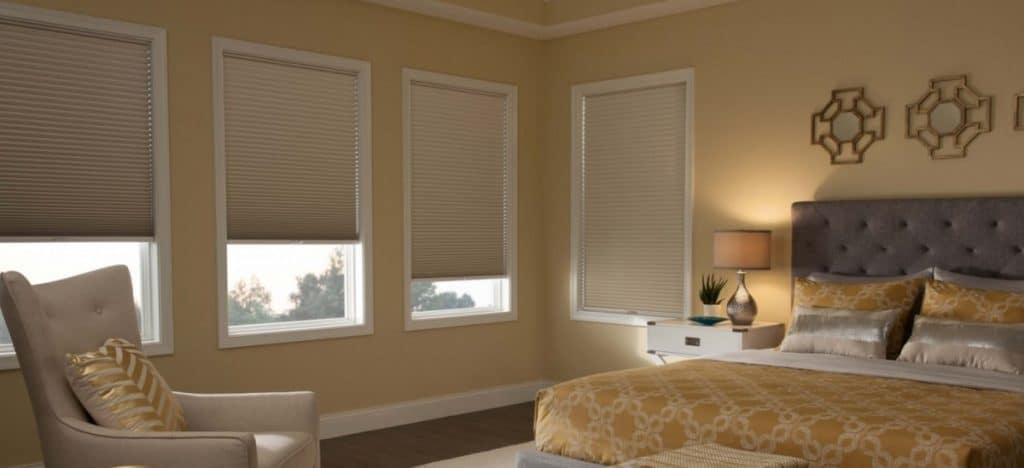
Are cellular shades energy efficient? Yes — and their insulating performance is one of the main reasons homeowners choose them. Designed with a honeycomb structure that traps air, cellular shades help reduce heat transfer through windows, supporting more stable indoor temperatures throughout the year. This guide explores how cellular shades improve energy efficiency, what metrics like r-value and u-value mean, and how these energy-saving window treatments can contribute to comfort, sustainability, and lower energy use.
How Cellular Shades Improve Energy Efficiency
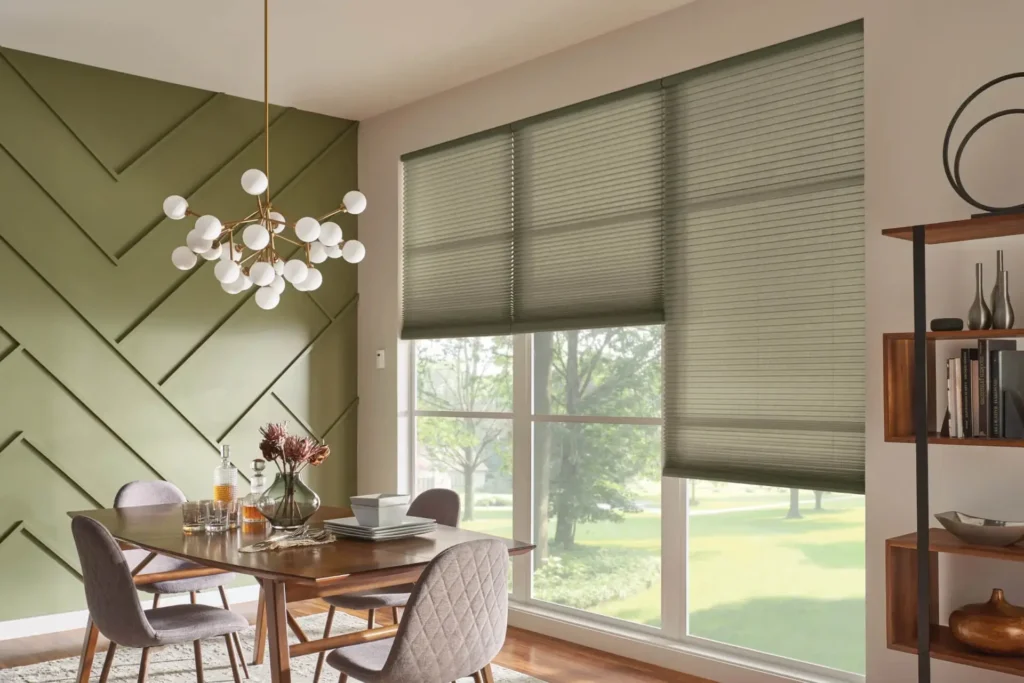
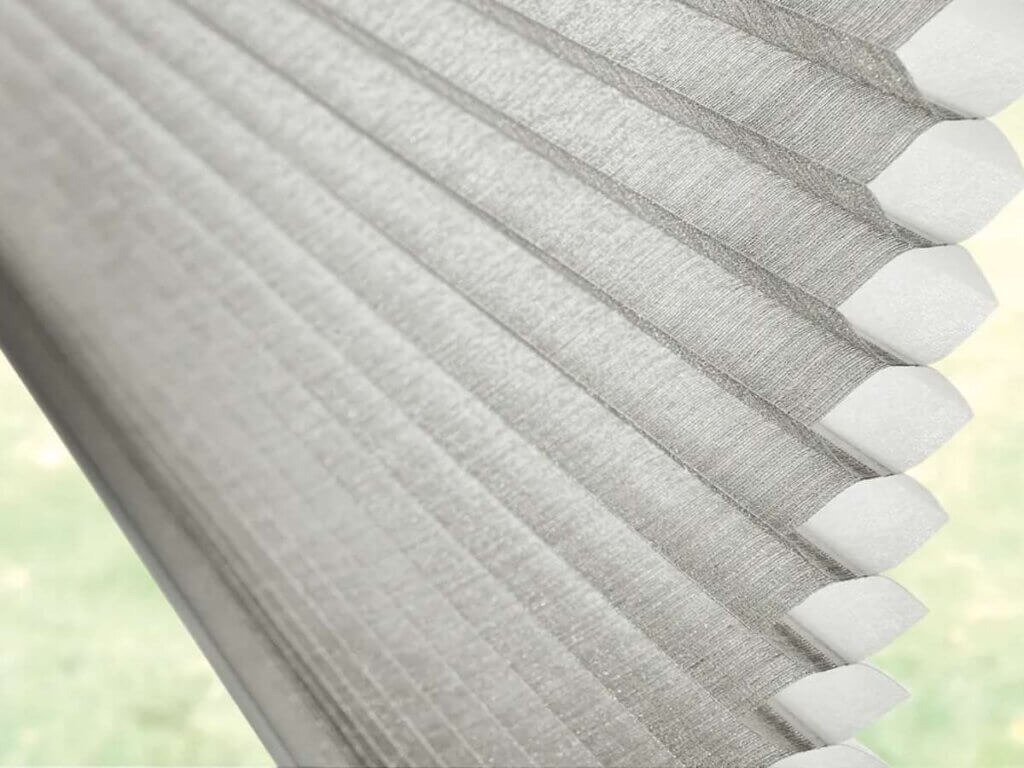
Windows are one of the most common sources of energy loss in a home. Without proper window insulation, radiant heat can enter during warmer months while heated air escapes during colder seasons. Cellular shades address this issue through their signature honeycomb construction.
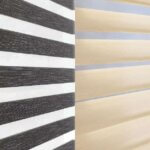
Each cell creates a pocket of trapped air that acts as a thermal buffer between indoor and outdoor environments. This structure reduces heat transfer, making cellular shades one of the most effective insulating shades available among modern window coverings.
Key energy benefits include:
- Minimizing solar heat gain during sunny conditions
- Supporting heat loss prevention during colder weather
- Improving indoor temperature stability
- Reducing drafts and cold spots near windows
Because of this design, cellular shades’ energy efficiency often exceeds that of flat-fabric window treatments or traditional blinds.
Understanding Energy Performance Metrics
When evaluating whether cellular shades are energy efficient, it helps to understand how performance is measured.
R-Value and Window R-Rating
R-value measures resistance to heat flow. A higher window R-rating indicates better insulation performance. Cellular shades increase overall window insulation by adding an extra thermal layer that slows heat movement.
U-Value
U-value measures how quickly heat transfers through a material. Lower numbers indicate stronger insulating performance. When combined with well-fitted cellular shades, windows can achieve improved thermal efficiency compared to untreated glass.
How Cellular Shades Support Sustainable Living
Energy efficiency is not just about reducing utility costs — it also contributes to long-term sustainability. Cellular shades can play a role in energy star–focused home improvements by improving insulation without requiring major renovations.
Ways cellular shades support sustainable window treatments:
- Reduce HVAC workload by stabilizing indoor temperatures
- Lower dependence on artificial heating and cooling
- Help maintain comfortable living spaces with less energy use
- Support environmentally conscious home upgrades
Many homeowners pursuing energy-saving window treatments choose cellular shades as a practical step toward better efficiency.
Additional Performance Benefits Beyond Energy Savings
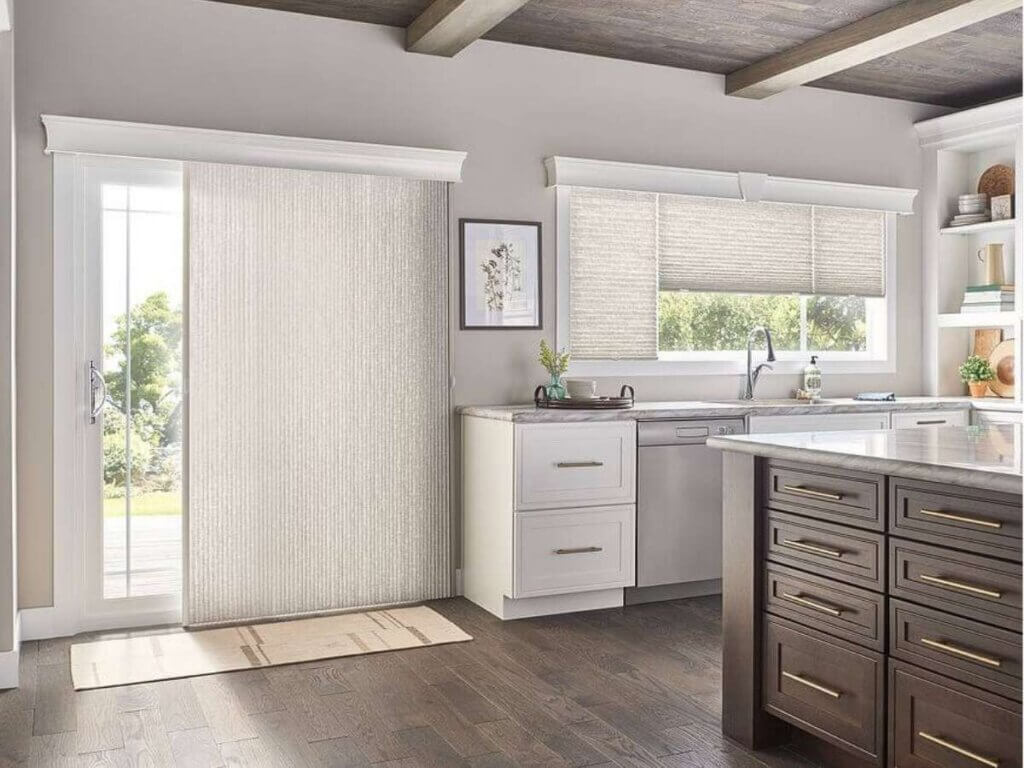
Although insulation is the primary focus, cellular shades offer other functional advantages tied to their design.
Noise Reduction
The honeycomb structure absorbs sound vibrations, helping reduce outside noise intrusion — particularly useful in busy neighborhoods or near traffic.
Light Management Without Heat Buildup
Cellular shades allow homeowners to control natural light while limiting radiant heat entering the space. This balance improves comfort without sacrificing brightness.
Enhanced Comfort Near Windows
Rooms with large windows often feel warmer or cooler depending on the season. Adding insulating shades helps create a more even indoor temperature, improving everyday comfort.
How to Maximize Cellular Shades Energy Efficiency
Even highly efficient window coverings perform best when properly selected and installed. Consider the following:
- Ensure precise measurements to minimize gaps around the frame
- Choose fabrics designed for thermal insulation performance
- Keep shades fully extended during peak heat or cold periods for optimal results
- Pair insulating shades with other energy-conscious home upgrades identified through a home energy audit
Proper use plays a significant role in maximizing energy efficiency.
Learn More About Cellular Shade Options
If you want a deeper breakdown of cellular shade styles, light control options, and how to choose the right configuration, explore our complete guide to cellular shades for a more comprehensive overview.
Conclusion
Cellular shades are widely recognized for their ability to improve window insulation and reduce energy loss through their unique honeycomb structure. By limiting solar heat gain, supporting thermal insulation, and improving overall window treatment efficiency, they help maintain a more comfortable indoor environment throughout changing seasons. While no window treatment replaces proper insulation or high-performance windows, cellular shades remain a practical and effective upgrade for homeowners focused on energy savings.
If you’re considering energy saving window treatments for your home, a professional consultation can help determine how cellular shades fit into your overall comfort and efficiency goals. The team at MITS Denver South can help you evaluate your space and choose options that balance performance, style, and long-term value. Reach out to us today!