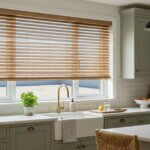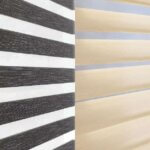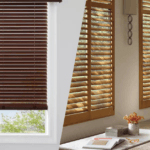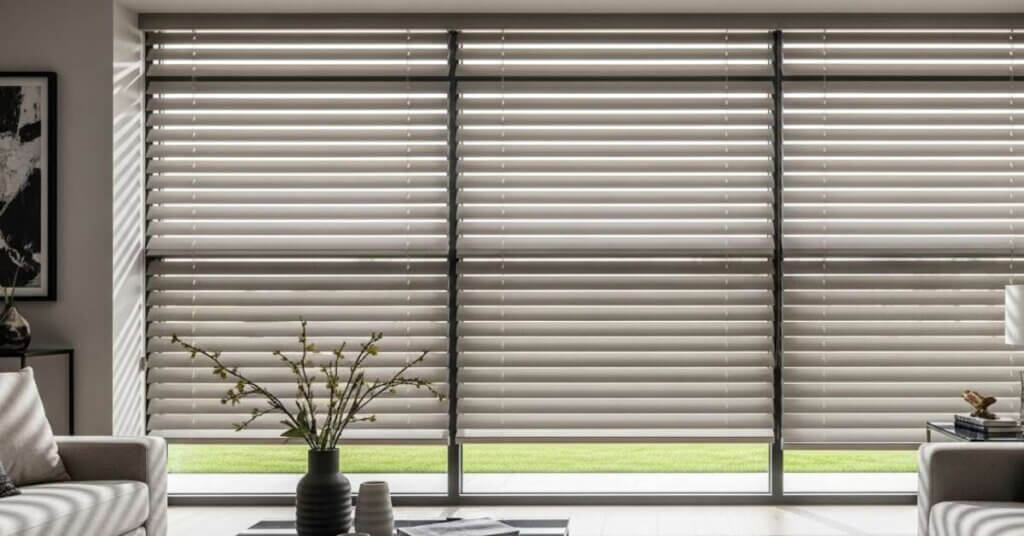
Choosing what blinds are best for big windows comes down to balancing light control, privacy, and ease of operation. Large or oversized windows often bring in beautiful natural light—but they can also create glare, heat buildup, and privacy concerns. The best solutions typically include vertical blinds, wide horizontal blinds, and motorized or automated options designed for smooth operation across large spans. Materials like wood, aluminum, and fabric each offer different benefits, from durability to energy efficiency. Below is a clear breakdown to help you choose with confidence.
Why Big Windows Need a Different Approach
Large windows require more than standard window coverings. Their width and height change how blinds function and feel in a space.
Key Considerations
- Weight & Operation: Heavier blinds need reliable tracks or motorized systems
- Light Control: Bigger glass areas mean more glare and UV exposure
- Privacy: Wide openings can feel exposed without proper coverage
- Energy Efficiency: Large panes impact insulation and indoor comfort
Best Types of Blinds for Big Windows
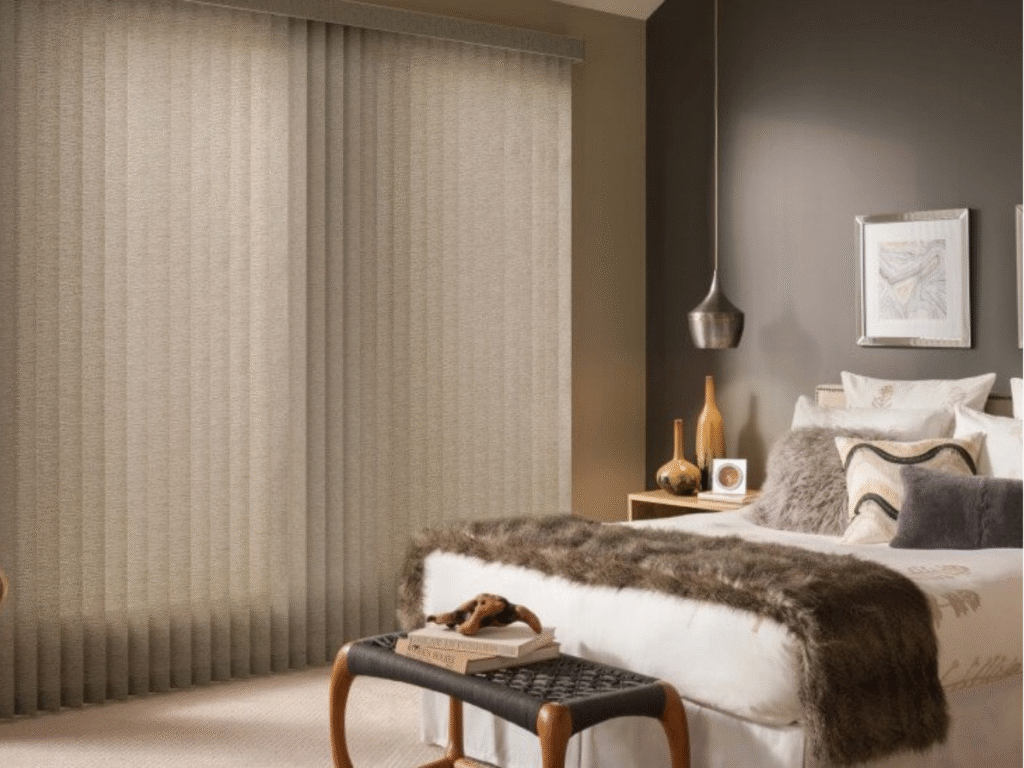
1. Vertical Blinds for Wide Openings
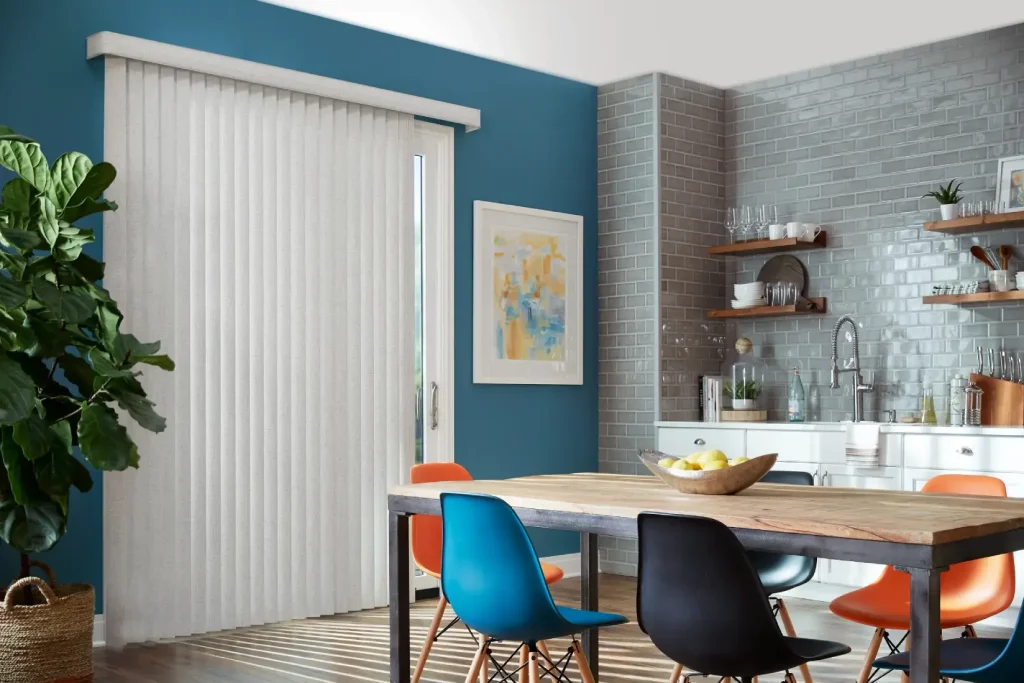
Vertical blinds are one of the most practical solutions for oversized windows and sliding glass doors.
Why they work:
- Smooth operation along durable tracks
- Rotating vanes allow precise light and privacy control
- Ideal for wide spans without sagging
Best materials:
- Fabric for a softer, sheer look
- PVC or composite for durability
2. Horizontal Blinds with Wide Slats
Horizontal blinds can still work for big windows—especially when designed with wider slats or louvers.
Advantages:
- Clean, structured look
- Better outdoor visibility when tilted open
- Available in wood, faux wood, or aluminum
Best for:
- Large picture windows
- Homes wanting a more traditional style
3. Motorized Blinds for Effortless Control
For tall or hard-to-reach windows, motorized or automated blinds are often the best investment.
Key benefits:
- Adjust blinds with a remote, app, or smart home system
- Safer cordless design
- Ideal for multi-window setups
This option removes the hassle of manually adjusting heavy or tall blinds every day.

Comparing Your Options
Type of Blinds | Best For | Key Benefit | Consideration |
Vertical Blinds | Wide windows, sliders | Easy operation, flexible light | More contemporary look |
Horizontal Blinds | Large standard windows | Classic style, adjustable slats | Heavier at larger sizes |
Motorized Blinds | Tall or hard-to-reach | Convenience, automation | Higher upfront investment |
Features That Make a Difference
Light Control & Privacy
- Blackout options help reduce glare and improve sleep
- Sheer fabrics soften light without fully blocking it
- Adjustable vanes or slats allow customized shading
Energy Efficiency & Insulation
- Larger windows benefit from improved thermal insulation
- Materials like wood help regulate indoor temperatures
- Better insulation supports long-term energy efficiency
Custom Fit for Oversized Windows
- Custom blinds ensure proper alignment and smooth operation
- Prevent gaps that reduce privacy or light control
- Designed to match your home’s layout and style
Do you know what the best blinds for bedrooms are? Check out the article here.
Common Mistakes to Avoid
- Choosing blinds that are too narrow for wide windows
- Ignoring the need for reinforced tracks or hardware
- Overlooking motorization for tall installations
- Selecting materials that don’t match your climate needs
Frequently Asked Questions
1. What blinds are best for big windows in living rooms?
2. Are vertical or horizontal blinds better for wide windows?
3. Do motorized blinds work well for oversized windows?
4. What materials are best for large blinds?
5. Can large blinds improve energy efficiency?
Final Thoughts: Finding the Right Fit
Big windows should feel like an asset—not something you struggle to manage. The right blinds bring together privacy, light control, and everyday ease without overwhelming the space. Whether you choose vertical designs, wide horizontal slats, or a fully automated system, the goal is to make your windows work for your lifestyle.
If you’re unsure which option fits your space best, a professional consultation can make the process much easier. Get expert guidance from MITS Denver South, explore custom solutions, and see how the right blinds can completely transform your large windows. Contact us today!