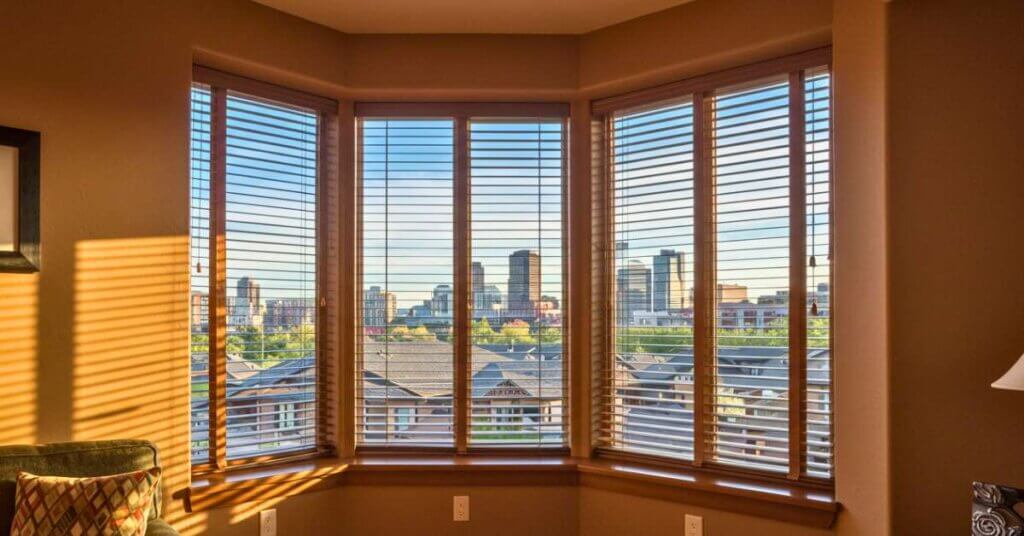
Bay windows are a prized architectural feature, but finding the right blinds for bay windows can feel overwhelming. These angled, curved, or multi-panel designs add character and bring in natural light; however, they also require careful planning when selecting window coverings. The right blinds should maximize your view, balance privacy with light control, and complement your home’s decor.
In this blog, we’ll walk through how to choose blinds for bay windows—from understanding types and styles to considering installation and modern upgrades like cordless and motorized options. You’ll learn which treatments work best for traditional or modern interiors, what materials to look for, and how to ensure your bay windows stay both functional and beautiful. Let’s explore how you can frame your bay windows to maximize their potential.
Why Bay Windows Need Special Blinds

Bay windows project outward, often at angled or curved dimensions, which makes them stand out in a room. This unique structure also creates challenges in measuring and fitting blinds. The right solution should:
- Enhance the view while keeping a decorative finish.
- Manage natural light effectively throughout the day.
- Provide privacy without blocking the window’s shape.
- Fit snugly within angled or curved frames.
Blinds tailored for bay windows bring harmony between form and function, ensuring your home remains comfortable and stylish.
3 Best Types of Blinds for Bay Windows

Not every blind works equally well with bay designs. Below are the most practical and attractive choices.
1. Wood and Faux Wood Blinds
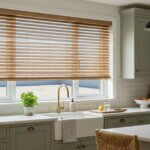
Wood blinds bring warmth and elegance, while faux wood options provide durability in areas with high humidity or temperature swings. Both create a timeless look for traditional or transitional spaces.
2. Aluminum and Vinyl Blinds
If you want a clean, modern style, aluminum and vinyl blinds are versatile and affordable choices. They’re lightweight, easy to maintain, and excellent for angled window installations.
3. Vertical Blinds for Larger Bays
Vertical blinds are ideal for wider bay windows, especially those that serve as patio or garden doors. They provide smooth operation and allow you to easily adjust the light and privacy settings.
Factors to Consider Before Choosing

Blinds for bay windows are not one-size-fits-all. Pay attention to these factors when making your decision.
Light Control and Privacy
Do you want maximum natural light or enhanced privacy? Horizontal blinds tilt to filter light, while vertical blinds give more open views when drawn aside.
Matching Your Decor Style
Traditional homes often pair well with wood blinds, while modern interiors benefit from aluminum or vinyl. Consider finishes and colors that enhance your room without overpowering the bay window’s architecture.
Measuring and Installation Precision
Accurate measurement is essential due to angled frames and unique dimensions. Professional installation ensures your blinds align perfectly and operate smoothly.
Motorization and Ease of Use
Bay windows often include multiple panels, which can be tricky to adjust manually. Motorization adds convenience by letting you operate blinds with a remote or app. It also offers a clean, cordless look and improves child safety.
Quick Guide: Blinds for Bay Windows
Here’s a summary checklist to help you choose:
Consideration | Best Choices |
Large or Wide Bay Windows | Vertical blinds |
Traditional Style Homes | Wood or faux wood blinds |
Modern or Minimalist Homes | Aluminum or vinyl blinds |
Safety and Convenience | Cordless or motorized options |
Durability in Humid Areas | Faux wood or vinyl |
FAQs About Blinds for Bay Windows
1. What blinds work best for angled bay windows?
Angled bay windows benefit from horizontal blinds like wood, faux wood, or aluminum styles. These options can be mounted within each section of the bay, creating a tailored look that preserves the window’s shape. Vertical blinds are better suited for large, wide bays where a smooth sliding operation is desired.
2. Are motorized blinds worth it for bay windows?
Yes, motorized blinds are especially useful for bay windows since they often involve multiple panels or hard-to-reach areas. With a motorized system, you can control all sections with one remote or app, adding both convenience and efficiency. They also offer a clean, cordless design that enhances both safety and style.
3. How do I make my bay windows look modern with blinds?
To achieve a modern look, choose sleek materials like aluminum or vinyl in neutral tones. Pairing these blinds with cordless or motorized features ensures a minimalist finish. Avoid overly ornate styles and opt for clean lines to complement contemporary decor.
Schedule a Consultation for Your Bay Windows
Bay windows deserve more than a quick fix—they need custom blinds that highlight their beauty while delivering function. At Made in the Shade Denver South, we specialize in window treatments designed to maximize your view, whether you live in Castle Rock, Parker, Highlands Ranch, or anywhere across Denver’s south metro.
Schedule a free in-home consultation today and discover the perfect blinds for your bay windows.